In 1993, approximately a year after the release of my book Cubao 1980 At Iba Pang Mga Katha, I received a letter from a Chinese man named W. who said he'd read my book from cover to cover and wanted very much, in so many words, to meet me. No one had ever written to me like that before, and so I agreed. As it turned out, he took me to restaurants and to movies and showered me with all kinds of gifts. The whole thing, however, was a mess. I never liked romantic commitments, and it eventually became clear that his image of me in his mind was that of Tom, the protagonist of my novella who was some kind of male prostitute. I felt so sorry to end our friendship, and, wherever W. is now, I hope that he is happy and well and has found the love of his life. He had no idea at the time that he was actually up against a well-read intellectual whose interests were quite esoteric and far from Tom's. This episode in my life may have made me feel subconsciously guilty, and that may be why I am extra kind and generous to my Chinese friends.
I am sharing this with you because you will inevitably come across people who think that they love you--you as a person--and only because they love your work, and therefore you must always be wary of your falling into awkward situations.
Many readers think that they know their favorite writers so well. They cannot conceive that writers' works span the entire heights and depths and breadths of life, and sometimes cannot believe that, while we are indeed writing from The Heart, we are also creating worlds populated by entirely fictional characters with fictional lives.


In conversation with the playwrights from Writings from The Heart: Part 2
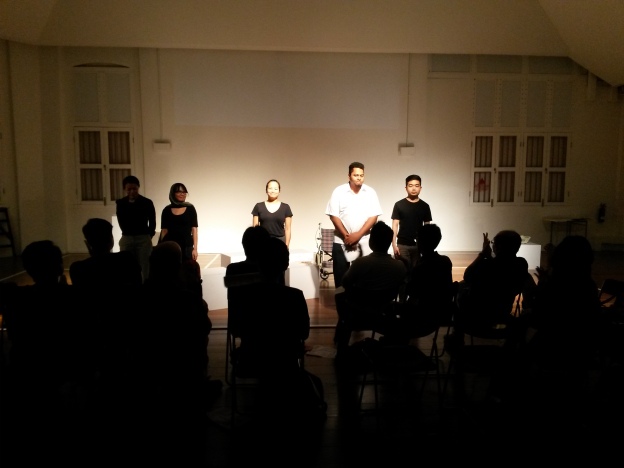
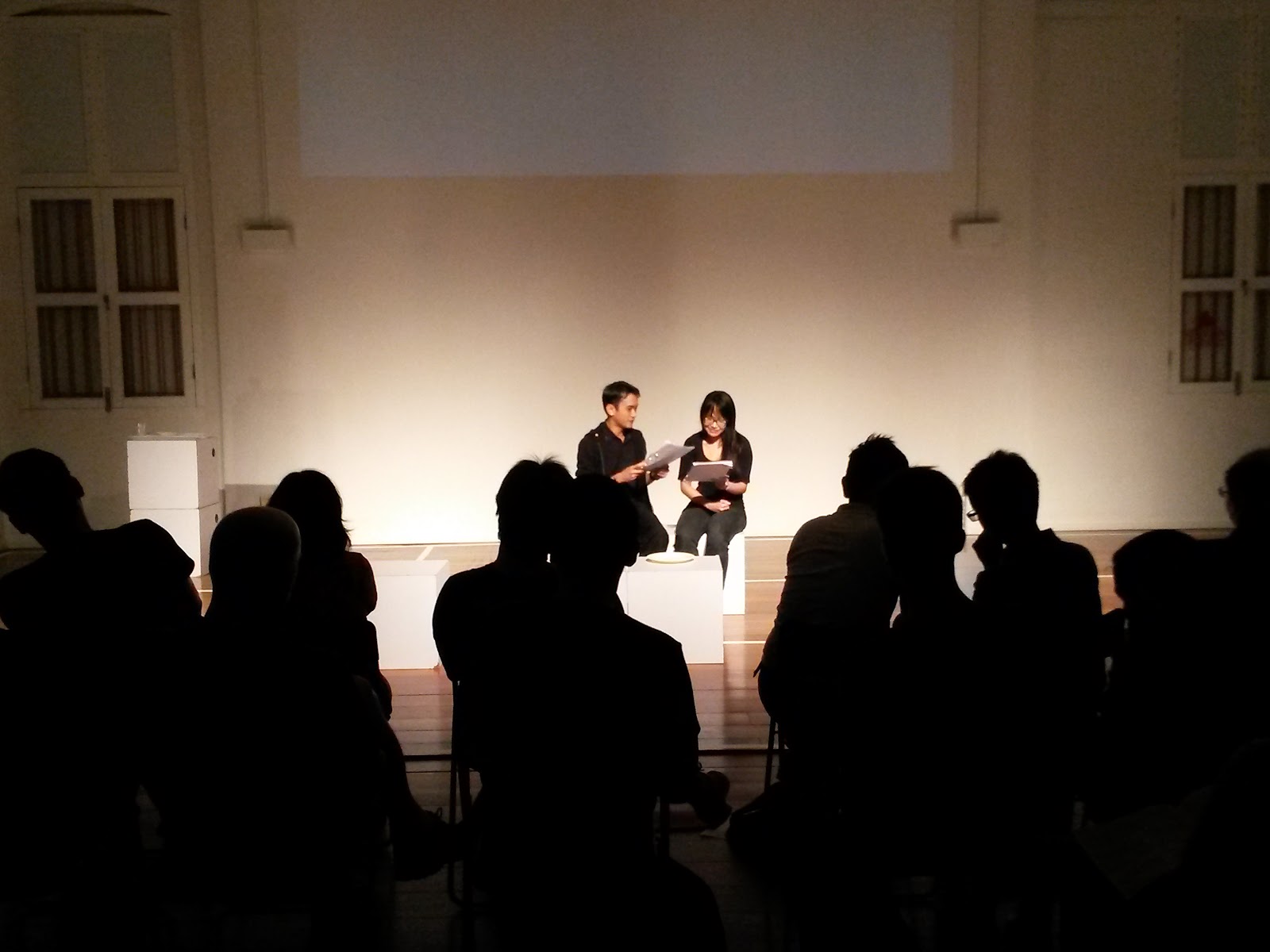
Our Engagement Intern, Shifaa Jonoh spoke to the two different playwrights who are part ofWritings from The Heart. They are: Helmi Yusof and Gabriel Lim, playwrights of My Mother Buys Condoms/ My Father Wears Bras and We Fell In A Marathon respectively.
Just as the plays in this weekend’s Writing from The Heart are diverse in its subject matter and explorations, so are the playwrights who wrote them. Gabriel Lim is an avid theatregoer who occasionally indulges in painting, photography and writing and is currently exploring archived material in the 90s regarding Forum Theatre and Postmodernism. Likewise, Helmi Yusof is a journalist at The Business Times, covering arts and culture and has written on the arts and entertainment scene for various publications, including The Straits Times and Arena men’s magazine.
Drawing on their personal biographies and histories, each of their plays reflect a strong unique voice. When asked whether the characters in their plays were an extension of themselves, Gabriel shared how fragments of his characters represented certain personal moments in his life. His characters then allows him to revisit those moments and the choices he made, and rationalize the issues on a larger, universal scale through his play. On the other hand, Helmi’s was a personal response to the controversy of the National Library’s withdrawal of childrens’ books containing LGBT characters and single mothers as it was deemed unfit reading material for children. In the interview, he lets on a little fun fact as well: “I’ve only cross-dressed once in an all-boys school play. But I’m guessing somewhere in the recesses of my psyche there’s a sexually-frustrated 60-year-old woman and man in drag.”
When asked about how attending the Writing from The Heart programme mentored by Tony Perez helped them develop their scripts, both shared similar sentiments about him, saying that he was a wonderful mentor, with Helmi adding how he was thoroughly unconventional and intuitive. He described the workshops as “talking about everything from chakra points and meditation to Freud and Jung” and how one needed to have an open mind during these explorations. For Gabriel, he never expected a workshop to introduce such topics, but those avenues formed the basis for him to get really creative in his writing. It also served as a reminder for him to write with his gut feeling and see where it took him.
They also felt that such programmes were important because from Gabriel’s perspective, it provides a creative space to develop artists as well involving the community in its process. He adds on, “Theatre came from the people, the community. And we can all agree that the theatre as an art form is a great way of expression and to facilitate discussions.” Helmi agrees but highlights how a longer-term engagement – one that lasts over 5 to 10 years- may be necessary for a writer to find their voice. He goes on to say however, “Unfortunately, few theatre companies have those kind of resources.”
With their plays ready for this weekend, I asked if they would continue writing after the end of their programme, to which I received enthusiastic yeses. For Gabriel, he intends to find his eventual style of writing a play and Helmi, “If Tony Perez returns for another week-long engagement, I’ll definitely sign up.”